
LUKE ARMSTRONG
BOYS DON’T CRY
PAID VACATION / VIRGIN MUSIC GROUP
-
PRESS IMAGE 1: OPEN & DOWNLOAD
PRESS IMAGE 2: OPEN & DOWNLOAD
-
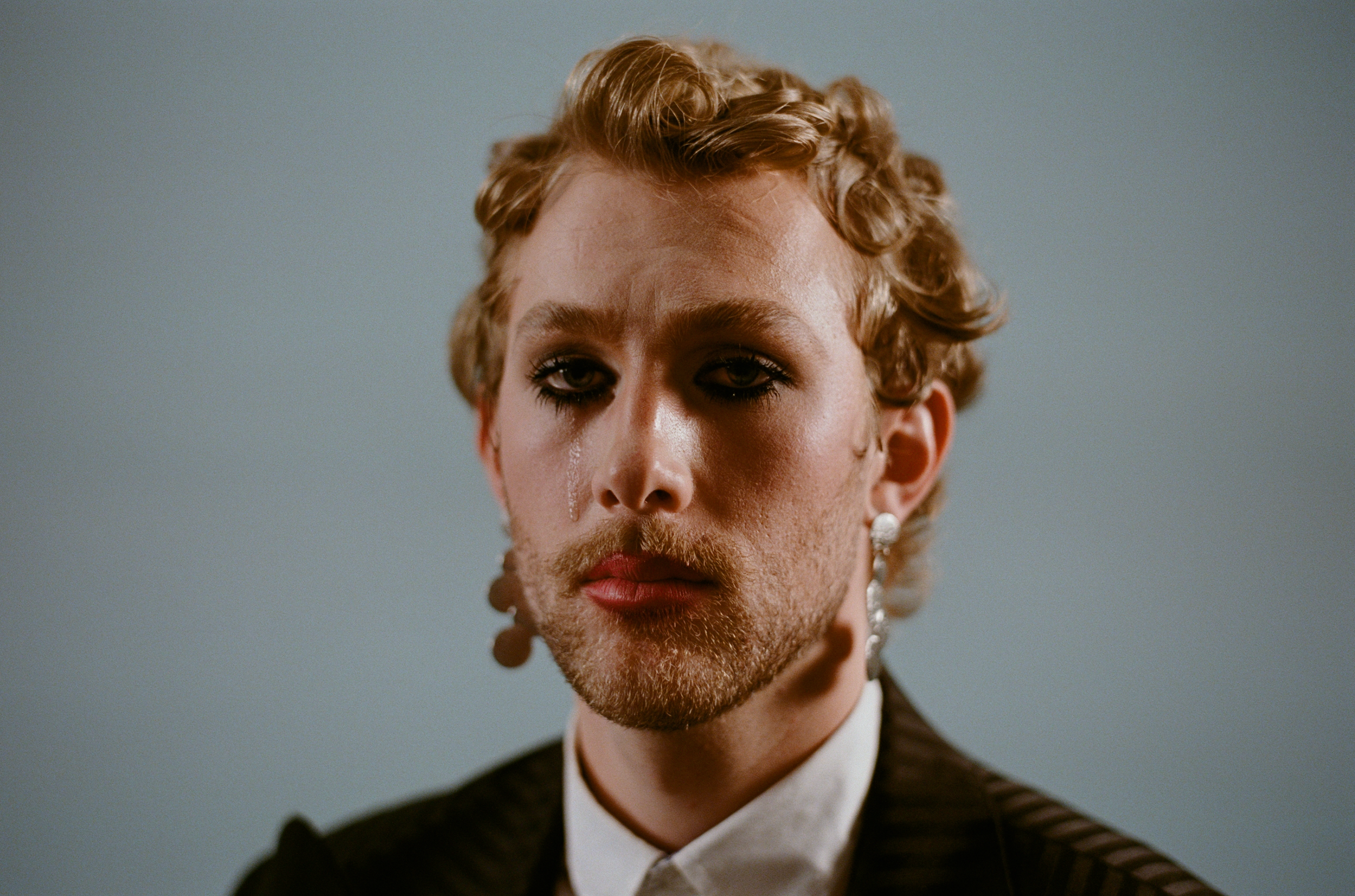
"I hope my music can unlock emotions in people," says Luke Armstrong, whose alternative pop radiates with kinetic urgency, certain to shift something in anyone with a beating heart. On his forthcoming EP 'Boys Don't Cry,' infectious rhythms and buoyant melodies lift whipsmart, emotionally turbulent lyrics in a vibrant span of sonic inspirations—from Frank Ocean to David Bowie to The 1975. Recorded with GRAMMY-nominated producer Daniel James (Hayley Williams, David Byrne, Wild Cub, Efterklang), it's an effervescent collection as likely to evoke tears as it is dancing. "I like that contradiction between dark and light, struggle and joy," Armstrong adds. "It's true to life."
Armstrong was born and raised in Beirut. The son of American academics and missionaries, he grew up speaking English and Arabic, navigating questions about his own identity—sexual, religious, and political—from a very young age. "I was an intense child," he says. "Music has always helped me process that intensity."
The EP's title track examines some of those early internal conflicts. "Even as a kid, I felt viscerally aware of the performance of masculinity," says Armstrong. "The resistance to vulnerability—'boys will be boys'—I couldn't always relate." Long before he'd fully embraced his own queerness, Armstrong could see that his sensitivity set him apart.
Both "Heavenbound" and "Little Wins" (the latter co-written with Julian Cruz, known for his work with Dominic Fike) address the heartrending violence and volatility in his home country due to Israel's intensifying bombings in Beirut.
He turns his attention to the West with standout “2000,” written from a fictional perspective living in the title year that allows him to detach himself from Western life just enough to scrutinize it. The song’s urgent, unrelenting rhythm feels enthralling and imminently doomed, a bit like life in America, as Armstrong artfully collages images of cultural chaos.
Though his music often feels bright, Armstrong doesn't hide from the darkness. "There's an opportunity to face fear with art, to surrender to what scares you, process it, and come through," he says. "I want to be honest about human suffering, and to make a statement about what a better world can look like."
-
press: jake@luckybirdmedia.com
label: mike@flysouthmusic.com